Skip to Content


FREE SHIPPING
*On Orders Over $250We Call Within 48 Business Hours to Confirm Order
FREE SHIPPING
*On Orders Over $250We Call Within 48 Business Hours to Confirm Order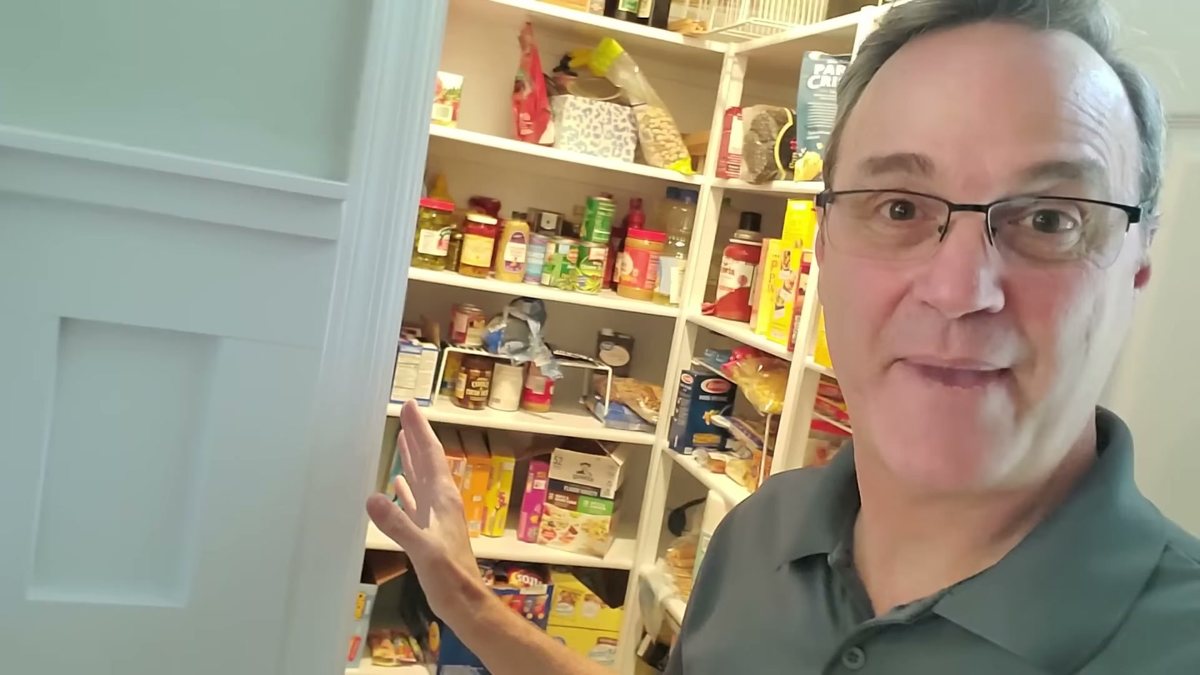
Not everybody can afford a 1,000 lb safe. And that's okay. If you have to go with an inexpensive, lightweight safe, hiding it is one of the best ways to protect it. A burglar can't carry off a safe he never finds.
The best place to hide a small safe is the pantry. The second best is the laundry room, including under the sink. The worst place is the master bedroom, the master bathroom or the master closet. That's the first place a burglar goes.
A big, heavy, burglary rated TL-15 or TL-30 safe doesn't need to be hidden. A smash and grab burglar isn't getting it out of your house.
Little safes are a different story. They're great for costume jewelry, some cash, or keeping a handgun out of the wrong hands. But they're not designed to protect tens of thousands of dollars, and one person can pick them up and walk out the door with them.
Most burglars are only in your house for 8 to 10 minutes. They don't have time to search every room. So if your safe isn't where they expect it, there's a very good chance they'll never find it.
This article covers small, freestanding safes. If you're looking at a safe built into the floor, see our guide on how to install a floor safe.
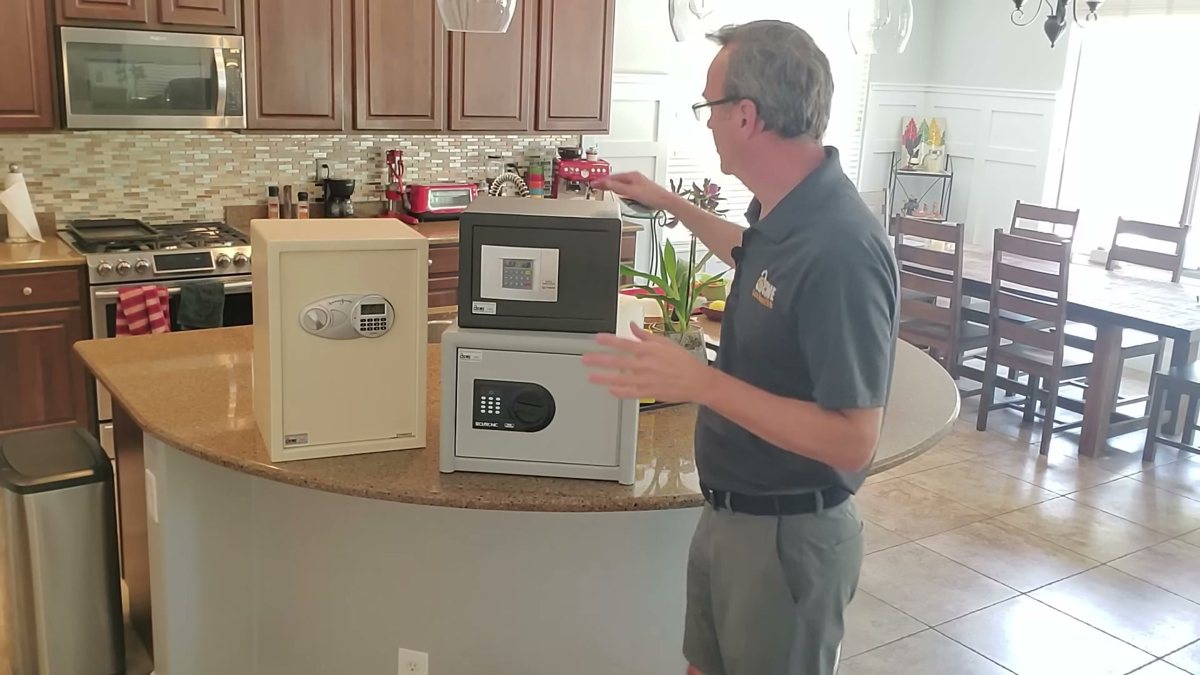
Before you pick a hiding spot, look at the back and bottom of the safe. Most inexpensive safes don't have pre-drilled bolt holes, but that's actually a very important feature on a little safe.
When you're hiding a safe in a cabinet or a pantry, those holes let you tie it to the wall and the floor. So if somebody does find it, it's much harder to get out.
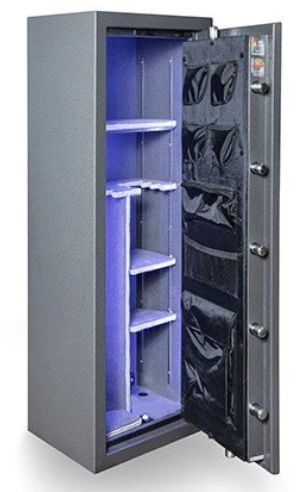
A few small safes we carry that come with pre-drilled anchor holes:
A burglary rating on a safe this small is very hard to find. If you're actually putting valuables in a little safe, a burglary rated model is worth looking for.
Planning to bolt into a concrete floor? Check for a post tension slab first. Here's how to identify a post tension slab.
Let's start with the one place you never want to put a small safe: the master bedroom. That includes the master bathroom and the master closet.
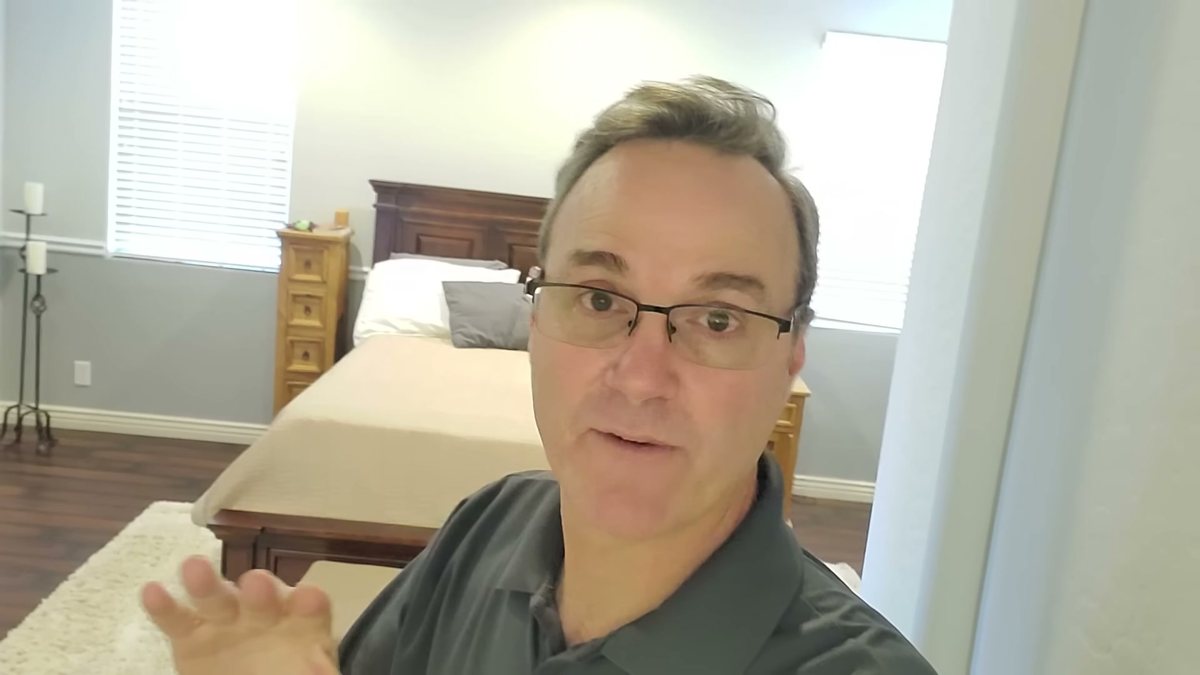
With only 8 to 10 minutes in the house, the burglar goes straight to the master bedroom and the master closet. That's the highest rate of return. Jewelry, money, handguns, anything you have stored in there, they can find it very, very quickly.
So do not put little safes in the master bedroom.
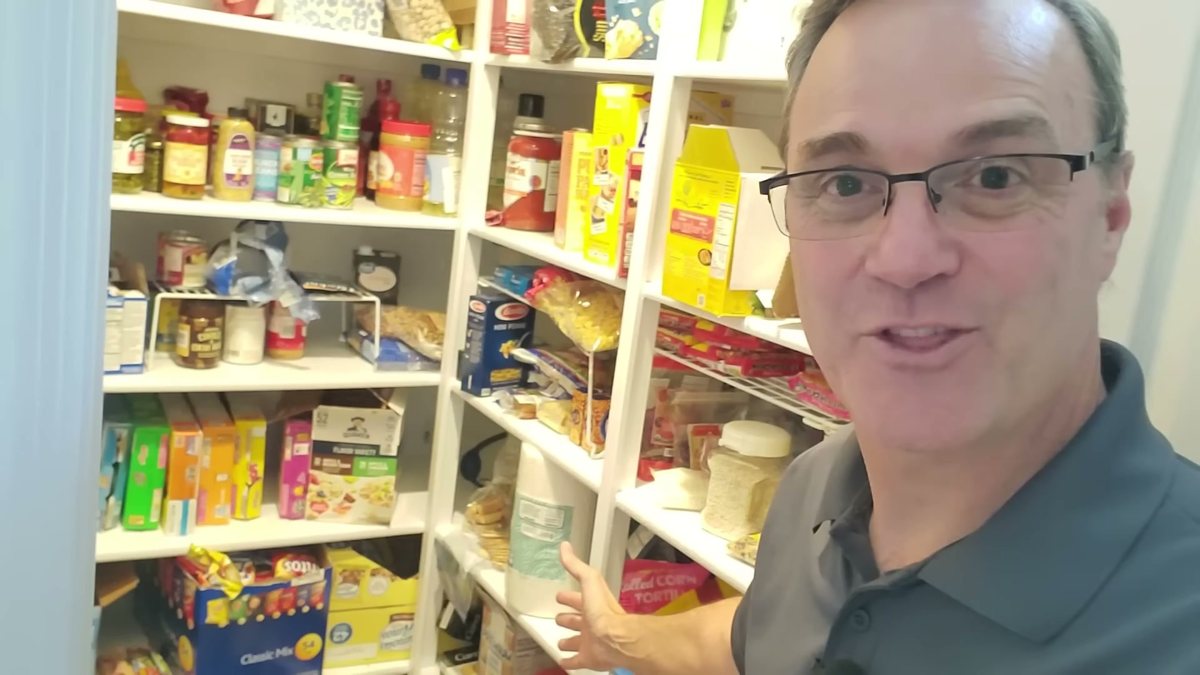
My absolute favorite place to hide a safe in a home is in a walk-in pantry. If you have one, that location is gold.
Talk to your friends. Talk to your neighbors. Talk to anybody you know who's ever been robbed. How many have said they tossed the pantry? There aren't a lot of valuables in a pantry, so a burglar with only a few minutes isn't going to waste them in there.
If your pantry door swings to the inside, you have one huge advantage. Put the safe behind the door.
My last house was set up that way, and that's exactly what I did. When you opened the door, the safe was behind it. You had to walk into the pantry and close the door just to get to the safe. That one extra step gave me an extra barrier to hide it.
You're not out of luck. A pantry has lots of stuff you can use to conceal a safe. The size of safe you can fit depends on your shelving, but you can normally fit a decent sized small safe. Stick a couple of things in front of it to keep it hidden from prying eyes.
The laundry room is another room in the house that rarely gets tossed.
Most laundry rooms have upper cabinets, and some have base cabinets. Both are ideal for hiding a small safe. You can also bolt the safe to the back or the floor of the cabinet.
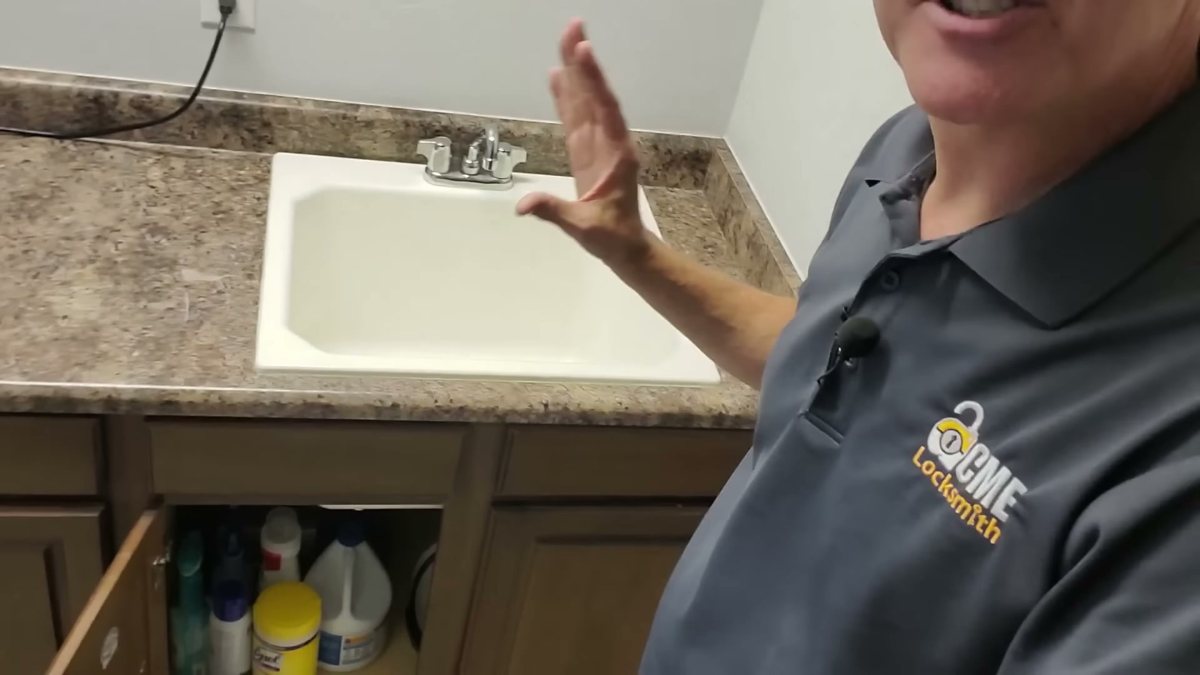
If you can get a safe to fit underneath a sink, you're golden. Nobody looks under the sink.
The kitchen sink, a bathroom sink and a utility room sink all work. Just don't use the master bathroom. That's very, very important.
In the video, I've got a small safe tucked in the back of the cabinet under my utility sink, with some stuff in front of it. That's the Burg-Wachter Point Safe. It has a mechanical lock and a spring-loaded door.
What about a plumbing leak? Yes, if your sink starts to leak it'll get on the bottom of the cabinet and the bottom of your safe can rust. The content should still be fine because water won't be held by the shelf and rise into the safe, it'll flow off the shelf.
Some websites will tell you the space under the stairs is a good place to hide a safe. It's not. It looks secluded, but so many people put safes there that it's not much of a hiding spot anymore.
I do know people who have built walls and done lots of things back there to conceal a safe. If you're taking extra steps to hide it, you're probably okay. Just don't leave it sitting out in the open under the stairs. It will get grabbed and it will get removed.
Here's a little trick I use for safes inside the home or in the garage.
Put the safe inside an old, junky moving box. Throw some stuff on top of it. Make it look like a box full of pillows or camping gear. Maybe even label it "miscellaneous junk."
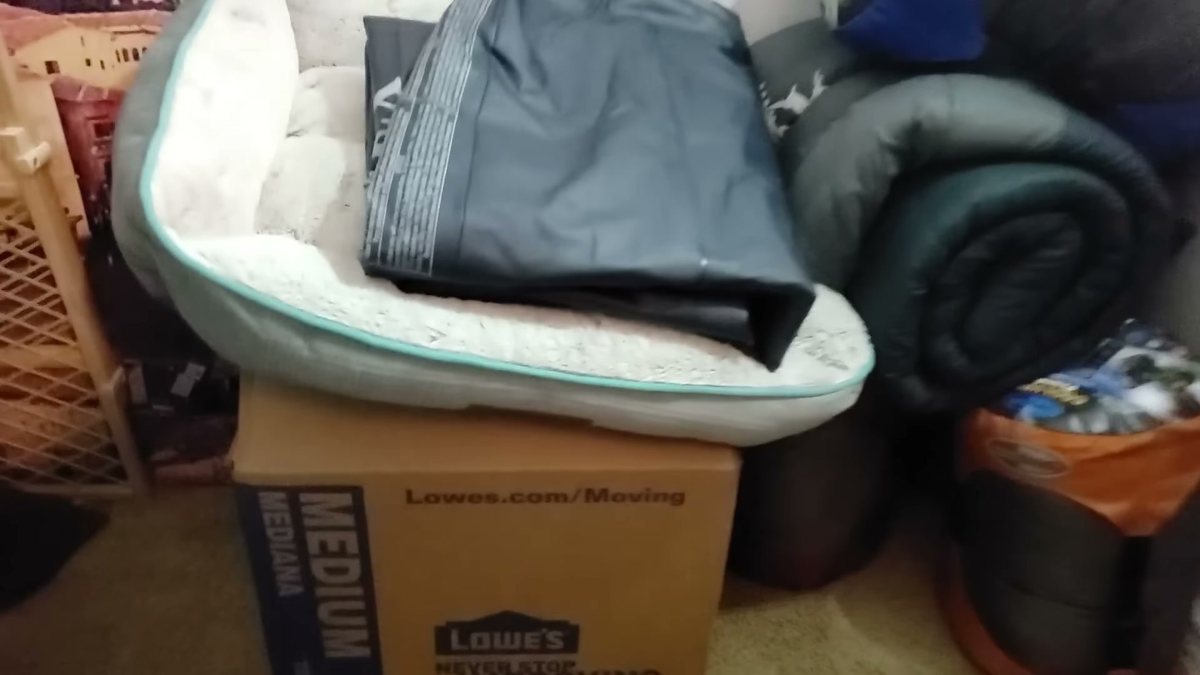
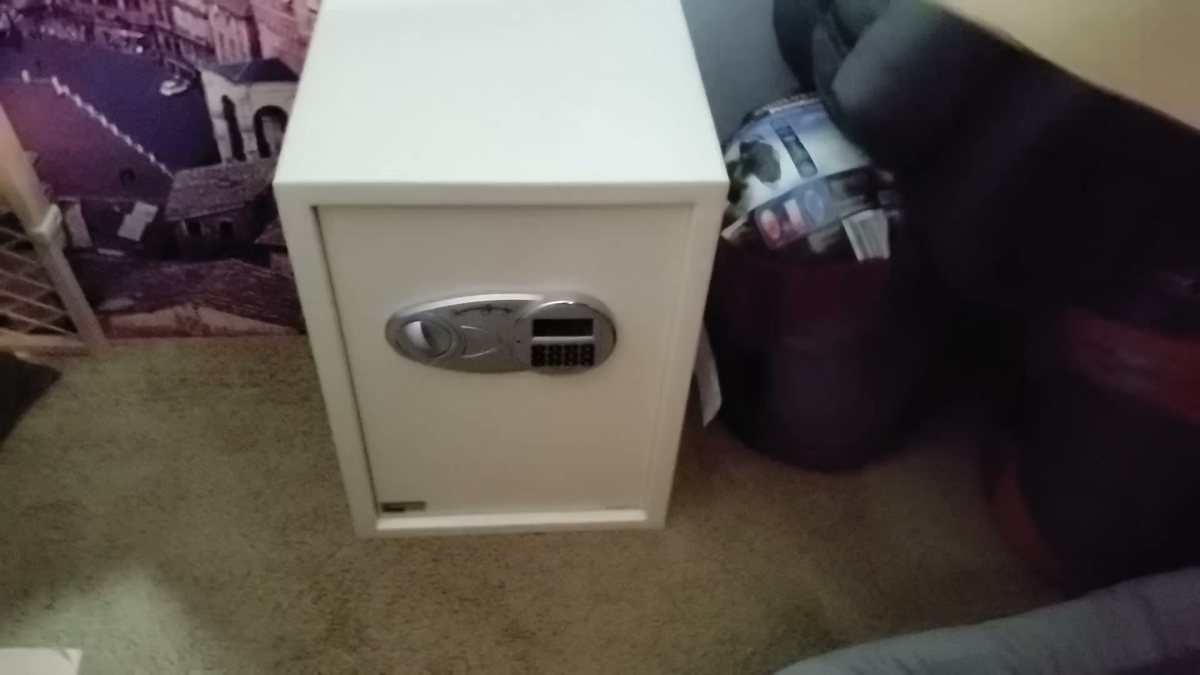
Keeping a bigger gun safe in the garage? The Gun Safe Cloak makes it look like a plain storage cabinet, so nobody driving by knows it's there.
For a little cash or jewelry, sometimes the best safe doesn't look like a safe at all. A Diversion Can Safe looks and feels like a regular can, so it can sit right in your pantry with everything else.
A full size gun safe is a different job. It's too big to hide, so where you install it and how you anchor it matter more. See our guide on where to install a gun safe. For a small handgun safe, see the best handgun safes.
Still deciding which safe to buy? Start with our guide to buying the right type of safe.